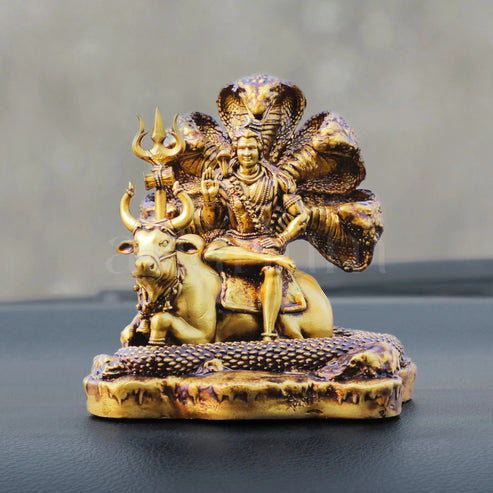
The Shiva statue is one of the most recognizable and revered symbols in Hindu culture and spirituality. Representing Lord Shiva, one of the principal deities of Hinduism, these statues are found in temples, pilgrimage sites, public spaces, and homes across India and many parts of the world. Beyond their artistic beauty, Shiva statues embody profound spiritual meanings, philosophical teachings, and cultural traditions that have inspired millions of devotees for centuries.
Lord Shiva is known as the "Destroyer" within the Hindu Trinity (Trimurti), alongside Brahma, the Creator, and Vishnu, the Preserver. However, destruction in Hindu philosophy does not signify negativity; rather, it represents transformation, renewal, and the continuous cycle of creation and rebirth. Shiva statues capture these complex aspects through their symbolism, posture, and artistic details.
This article explores the significance, symbolism, history, artistic features, and cultural impact of Shiva statues, highlighting why they continue to hold immense importance in modern society.
Historical Background of Shiva Statues
The worship of Lord Shiva dates back thousands of years. Archaeological findings from the Indus Valley Civilization suggest the existence of proto-Shiva figures, indicating that Shiva-related worship may have ancient roots. Over time, Shiva became one of the most widely worshipped deities in Hinduism.
The earliest Shiva representations appeared in symbolic forms such as the Shiva Lingam. As artistic traditions evolved, sculptors began creating human-like statues depicting Shiva in various forms and poses. These statues became central features in temples built during the Gupta, Chola, Pallava, and other dynasties.
The Chola period, in particular, is renowned for producing some of the finest bronze Shiva statues, including the famous Nataraja form. These masterpieces showcased extraordinary craftsmanship and reflected deep spiritual symbolism.
Today, Shiva statues range from small household idols to colossal monuments that attract tourists and pilgrims from around the world.
Symbolism of the Shiva Statue
Every element of a Shiva statue carries spiritual meaning. Hindu iconography is highly symbolic, and the image of Lord Shiva conveys profound philosophical concepts.
The Third Eye
One of the most distinctive features of Shiva is the third eye located on his forehead. It symbolizes wisdom, higher consciousness, and spiritual insight. According to Hindu mythology, Shiva's third eye can destroy ignorance and illusion.
The Crescent Moon
The crescent moon adorning Shiva's head represents the cycle of time and the changing phases of life. It signifies control over time and demonstrates Shiva's eternal nature.
The River Ganga
Many Shiva statues depict the sacred River Ganga flowing from his hair. According to legend, Shiva received the mighty river in his locks to prevent it from causing destruction when descending from heaven to Earth.
The Serpent
A snake coiled around Shiva's neck symbolizes fearlessness, power, and mastery over death. It also represents the dormant spiritual energy known as Kundalini.
The Trident (Trishul)
The Trishul is Shiva's primary weapon and symbolizes the three fundamental aspects of existence: creation, preservation, and destruction. It also represents control over mind, body, and spirit.
The Damaru
The small drum known as the Damaru symbolizes the cosmic sound from which creation emerged. It represents rhythm, vibration, and the cycle of existence.
Ashes on the Body
Shiva is often shown covered in sacred ash, reminding devotees that all material possessions eventually return to dust. This symbolizes detachment from worldly desires.
Different Forms of Shiva Statues
Shiva appears in numerous forms, each carrying unique spiritual significance.
Shiva Lingam
The Shiva Lingam is the most widely worshipped symbolic representation of Lord Shiva. It signifies the infinite and formless nature of the divine. Millions of devotees visit temples housing sacred Lingams during festivals and pilgrimages.
Nataraja
Nataraja, the Cosmic Dancer, is among the most famous representations of Shiva. In this form, Shiva performs the Tandava dance within a ring of fire. The dance symbolizes the cosmic cycle of creation, preservation, destruction, and regeneration.
The Nataraja statue is considered one of the greatest achievements of Indian art and philosophy. It reflects the dynamic nature of the universe and the harmony between science and spirituality.
Meditating Shiva
Many statues depict Shiva in deep meditation, seated atop Mount Kailash. These images emphasize inner peace, self-realization, and spiritual discipline. Meditating Shiva serves as a powerful reminder of the importance of mindfulness and contemplation.
Ardhanarishvara
Ardhanarishvara represents Shiva and Parvati united in a single form, with one half male and the other half female. This form symbolizes the balance of masculine and feminine energies in the universe.
Dakshinamurthy
In this form, Shiva is portrayed as the supreme teacher and guru. He imparts wisdom through silence and symbolizes knowledge, learning, and enlightenment.
Famous Shiva Statues Around the World
Several monumental Shiva statues have become iconic landmarks and major tourist attractions.
Adiyogi Shiva Statue, India
Located in Coimbatore, Tamil Nadu, the Adiyogi statue is one of the world's largest bust sculptures. Standing 112 feet tall, it symbolizes the 112 ways to attain spiritual liberation according to yogic traditions.
The statue has become a major center for yoga, meditation, and spiritual education.
Murudeshwar Shiva Statue, India
Situated in Karnataka, the Murudeshwar Shiva statue stands majestically near the Arabian Sea. Its towering height and scenic location attract millions of visitors annually.
Kailashnath Mahadev Statue, Nepal
One of the tallest Shiva statues in the world, the Kailashnath Mahadev statue in Nepal stands over 140 feet high. It serves as a significant pilgrimage destination and cultural landmark.
Mangal Mahadev, Mauritius
Mauritius hosts a giant Shiva statue known as Mangal Mahadev. It reflects the strong cultural heritage of the Hindu community living on the island.
Artistic Excellence in Shiva Statues
Creating a Shiva statue requires exceptional artistic skill and spiritual understanding. Sculptors carefully follow traditional guidelines described in ancient texts known as the Shilpa Shastras.
Materials commonly used include:
- Stone
- Marble
- Bronze
- Brass
- Copper
- Wood
- Fiber-reinforced materials
Each medium offers unique aesthetic qualities. Stone statues are valued for their durability, while bronze sculptures are admired for intricate detailing.
Artists devote significant attention to facial expressions, hand gestures, posture, ornaments, and symbolic elements to ensure the statue accurately reflects Shiva's divine attributes.
Spiritual Importance of Shiva Statues
For devotees, a Shiva statue is much more than an artistic object. It serves as a focal point for prayer, meditation, and spiritual practice.
Many people place Shiva statues in their homes to create a peaceful and sacred environment. Devotees often perform rituals such as:
- Offering flowers
- Lighting lamps
- Chanting mantras
- Pouring water or milk on Shiva Lingams
- Practicing meditation
The presence of a Shiva statue is believed to inspire positive energy, inner strength, and spiritual growth.
Shiva Statues in Modern Society
In contemporary times, Shiva statues continue to hold relevance beyond religious worship. They have become symbols of:
- Yoga and wellness
- Inner peace
- Environmental harmony
- Cultural identity
- Artistic heritage
Large Shiva statues attract international visitors and promote cultural tourism. They also serve as reminders of ancient wisdom that remains meaningful in today's fast-paced world.
Many yoga centers and spiritual organizations use Shiva imagery to represent self-transformation and consciousness. As global interest in meditation and mindfulness grows, Shiva's image increasingly resonates with people from diverse cultural backgrounds.
Cultural and Economic Impact
Shiva statues contribute significantly to local economies through tourism and pilgrimage activities. Famous Shiva temples and monuments generate employment opportunities for artisans, guides, hospitality workers, and local businesses.
The craft of statue-making also supports traditional artisans whose skills have been passed down through generations. Preserving these artistic traditions helps maintain an important aspect of cultural heritage.
Furthermore, Shiva statues often become symbols of national pride and cultural identity, representing India's rich spiritual and artistic legacy on the global stage.
Conclusion
The Shiva statue stands as a timeless symbol of spirituality, transformation, wisdom, and artistic excellence. Whether found in ancient temples, modern meditation centers, or towering public monuments, these statues continue to inspire devotion and reflection.
Through their intricate symbolism and profound philosophical meanings, Shiva statues teach valuable lessons about balance, inner peace, self-awareness, and the cyclical nature of existence. They connect people with centuries of spiritual tradition while remaining relevant in the modern world.
As expressions of faith, culture, and art, Shiva statues hold a unique place in human civilization. Their enduring presence demonstrates the lasting influence of Lord Shiva's teachings and the universal quest for spiritual understanding and enlightenment.